Hire a Biomedical Equipment Technician (BMET)
Keep patient care equipment safe, reliable, and compliant with the right Biomedical Equipment Technician (BMET). BridgeView connects healthcare organizations with technicians who can inspect, maintain, and repair medical devices across hospitals, clinics, and surgical environments, whether for contract or full-time roles.

Hiring Success, Proven.

Proven Biomedical Equipment Technician (BMET) Expertise
BridgeView supports healthcare organizations by placing Biomedical Equipment Technicians (BMETs) who help reduce device downtime, support preventive maintenance schedules, and improve clinical equipment readiness across patient care environments.

High Contractor Retention
An impressive 87% of our contractors are extended beyond their initial contract term, a testament to our ability to connect clients with highly skilled and reliable professionals.

Direct Hire Success
Over the past three years, 96.7% of our direct hire placements have remained in their roles beyond six months, proving our commitment to long-term hiring success.
Biomedical Equipment Technician (BMET) Role Snapshot
A fast, scannable summary of what this role typically covers, where it fits in healthcare operations, and what to clarify when hiring.- ● Perform preventive maintenance (PM) and safety inspections
- ● Troubleshoot and repair medical devices and accessories
- ● Document work in CMMS and support compliance readiness
- ● Common settings: hospitals, clinics, surgery centers, imaging centers
- ● Equipment types: patient monitors, infusion pumps, beds, defibs, sterilization support
- ● Partners: nursing, clinical engineering, facilities, vendors, safety/compliance
- ● Work style: on-site is most common, some travel possible across facilities
What Does a Biomedical Equipment Technician (BMET) Do?
Biomedical Equipment Technicians support patient care by keeping clinical equipment safe, functional, and available when it’s needed. They work closely with clinical teams and vendors to resolve issues quickly and maintain preventive maintenance schedules. Common responsibilities include:
- ● Performing preventive maintenance and safety testing on medical devices
- ● Troubleshooting device failures, alarms, and performance issues
- ● Repairing and calibrating equipment to manufacturer and facility standards
- ● Documenting service activities and maintaining accurate asset records in CMMS
- ● Supporting inspections and compliance readiness through strong documentation
2026 Hiring Insights for Healthcare IT Teams
Healthcare organizations are navigating tighter hiring conditions, evolving screening requirements, and increased risk from misrepresentation in the hiring process. Our 2026 BridgeView Tech Salary Guide includes practical hiring insights designed to help healthcare leaders improve decision-making, strengthen verification steps, and reduce hiring friction.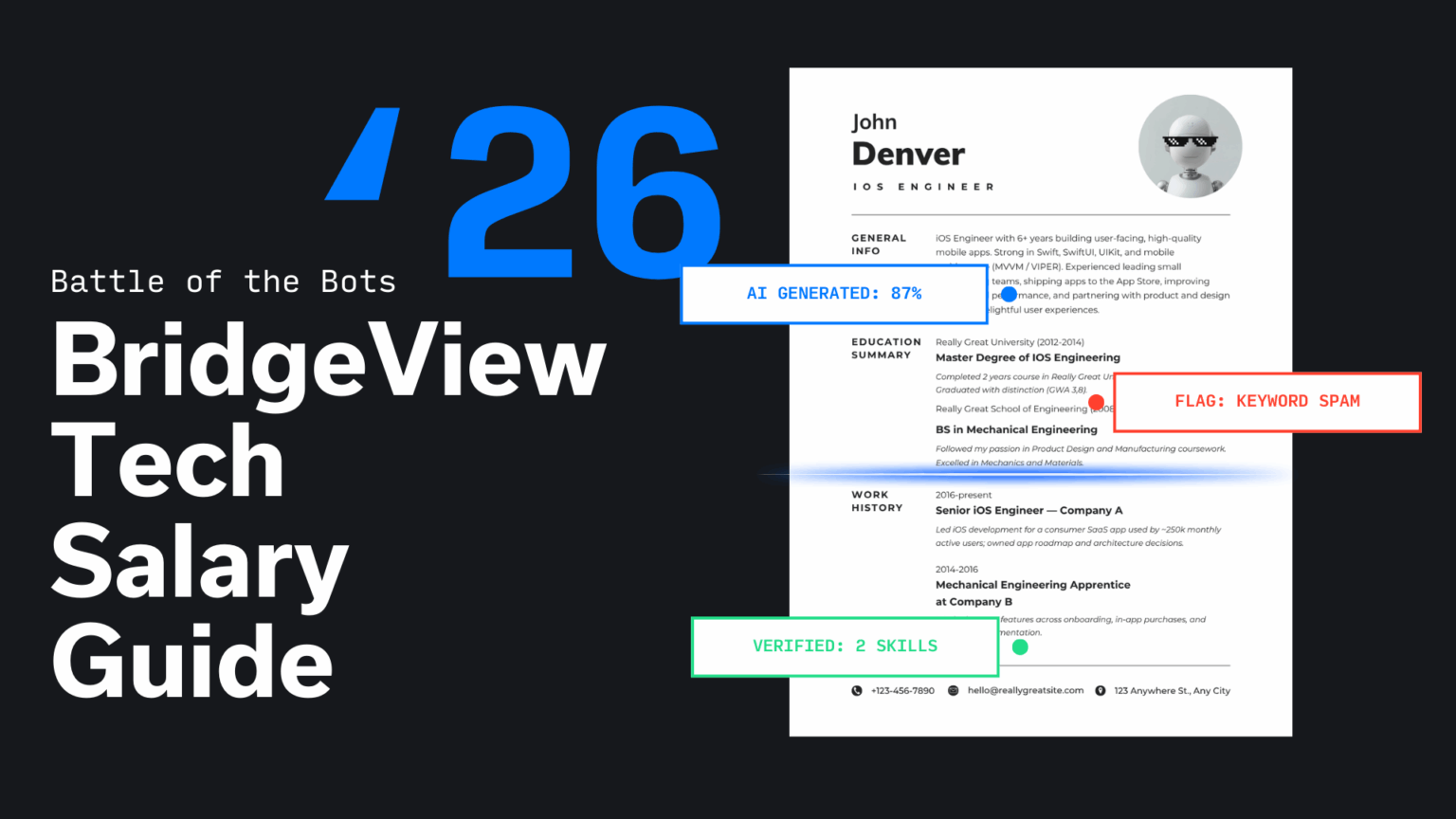
- ● Screening improvements to reduce candidate risk in healthcare IT hiring
- ● Interview and evaluation guidance for infrastructure, security, and clinical IT roles
- ● Practical notes on verification, consistency, and process maturity
- ● Market context that helps teams plan hiring with fewer surprises
Common Job Titles and Where BMETs Work
Biomedical Equipment Technician roles vary by facility size, equipment complexity, and whether the team is hospital-based clinical engineering or a third-party service organization.- ● Biomedical Equipment Technician (BMET), BMET I/II/III
- ● Clinical Engineering Technician, Medical Equipment Technician
- ● Field Service Technician (medical devices, scope dependent)
- ● Imaging Equipment Tech (specialized, role dependent)
- ● Patient care units: monitors, beds, pumps, and daily device readiness
- ● OR and procedural areas: higher urgency repairs and rapid response support
- ● Biomed shop: PM scheduling, repairs, calibration, and parts management
- ● Fleet and asset management: documentation, recalls, and device lifecycle planning
- ● Clarify equipment scope: general biomed vs imaging, anesthesia, lab, or other specialty devices
- ● Confirm schedules: PM cadence expectations, on-call rotation, after-hours response needs
- ● Define tooling: CMMS platform, required documentation standards, and vendor coordination responsibilities
Top Interview Questions to Ask a Biomedical Equipment Technician (BMET)
Finding the right BMET is crucial to minimizing downtime and ensuring patient equipment remains safe and available. Here are key questions to help you assess candidates:
- ● Walk me through your preventive maintenance process and how you document your work.
- ● How do you troubleshoot a device that is intermittently failing or alarming?
- ● What types of equipment have you supported most (pumps, monitors, defibs, anesthesia, imaging, etc.)?
- ● Describe a time you handled an urgent equipment issue in a patient care area. What was your approach?
- ● How do you coordinate with vendors while still keeping ownership of service documentation and compliance needs?
Need more help with your BMET interviews?
Contact us here.
Key Skills & Technologies
When hiring a Biomedical Equipment Technician (BMET), healthcare organizations look for strengths across preventive maintenance, troubleshooting, and documentation discipline. Common skills include:
Core Skills
- ● Preventive maintenance, inspection, calibration, and safety testing
- ● Troubleshooting, repair, and functional verification
- ● Strong documentation habits and compliance-ready service records
Tools & Platforms
- ● CMMS platforms for asset tracking and PM scheduling (role dependent)
- ● Test equipment (electrical safety analyzers, simulators, meters)
- ● Manufacturer service tools, manuals, and parts documentation workflows
Systems & Networks
- ● Medical device fundamentals (sensors, alarms, power, accessories, safety)
- ● Clinical workflows and urgency awareness in patient care areas
- ● Device lifecycle basics: asset inventory, recalls, and service history traceability
BMET Readiness and Career Growth
A quick overview of what strong candidates typically bring, common biomed terms, and how this role often expands in scope over time.- ● Proven preventive maintenance routines and strong service documentation discipline
- ● Comfort troubleshooting devices under time pressure in clinical environments
- ● Ability to coordinate with nursing and vendors while keeping compliance needs in mind
- ● Certifications can be a plus (CBET, CHTM pathways, OEM training, role dependent)
- ● PM (Preventive Maintenance): scheduled inspection and service to prevent failures
- ● Electrical safety testing: verifying leakage current and grounding per standards
- ● Calibration: confirming device readings match expected values and tolerances
- ● CMMS: software used to manage equipment assets, work orders, and PM schedules
Why Partner with BridgeView to Hire a Biomedical Equipment Technician (BMET)?
BridgeView helps healthcare organizations hire BMETs who can keep patient care equipment available, safe, and compliance-ready. We focus on technicians who can troubleshoot quickly, document consistently, and work effectively with clinical teams.
- ● Access to pre-vetted BMETs with hands-on preventive maintenance and repair experience
- ● Recruiters who understand clinical urgency, equipment readiness, and documentation expectations
- ● Flexible hiring options including contract, contract-to-hire, and direct hire
- ● Faster hiring timelines to reduce downtime and support preventive maintenance backlogs

Explore Related Roles
If you’re building a healthcare clinical engineering or IT support organization, we also support hiring for:
Biomedical Equipment Technician (BMET) FAQs
Ready to Hire a Biomedical Equipment Technician (BMET)?
Whether you need support for preventive maintenance backlogs, urgent repairs, or equipment readiness across multiple care sites, BridgeView can connect you with experienced BMET talent fast.